

A leaking roof can quickly turn from a small inconvenience into serious structural damage if not repaired promptly. Water intrusion can weaken insulation, damage ceilings, and lead to mold growth. Understanding how to fix a leaking roof helps you stop the damage early and protect your home.
A leaking roof occurs when water enters through damaged shingles, flashing, vents, or roof joints. Fixing a leaking roof quickly prevents structural damage, mold growth, and costly repairs. Proper roof leak repair restores waterproof protection and extends the lifespan of your roofing system.
This guide is based on real-world roof leak repair experience diagnosing and fixing residential roof leaks caused by storm damage, flashing failure, and aging roofing systems.
How to Fix a Leaking Roof Quickly
To fix a leaking roof, locate the source of the leak, remove damaged shingles or flashing, apply roofing cement or sealant, replace damaged materials, and seal the repaired area to restore waterproof protection. This stops water intrusion, prevents structural damage, and restores your roof’s waterproof protection.
Follow these essential steps to fix a leaking roof safely and permanently:
- Locate the leak source
- Remove damaged shingles or flashing
- Apply roofing cement or roof sealant
- Replace damaged roofing materials
- Seal and inspect the repaired area
How to Fix a Leaking Roof: Step-by-Step Repair Process
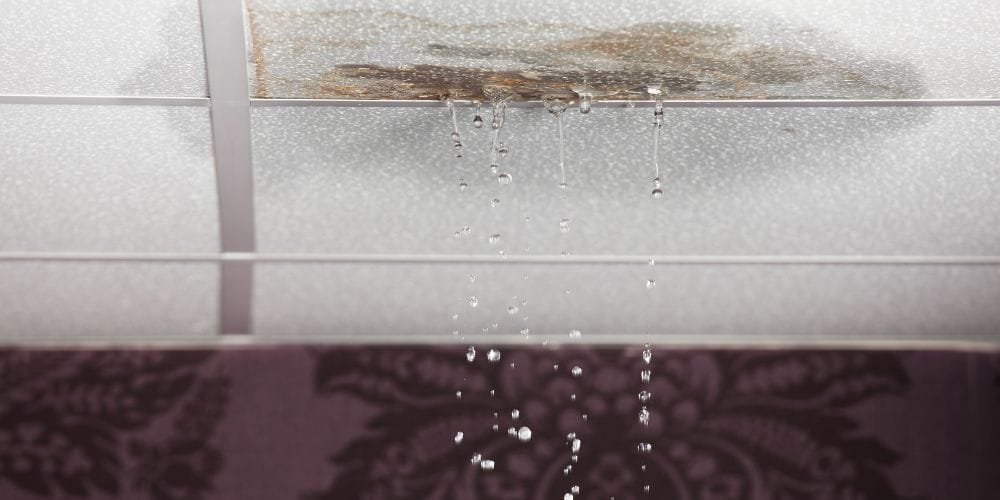
Step 1: Locate the Source Before You Fix a Leaking Roof
Before you fix a leaking roof, inspect the attic for water stains, damp insulation, or moisture on roof decking. Then check the roof surface for damaged shingles, cracked flashing, or worn sealant around vents, chimneys, and skylights. Accurate roof leak detection ensures the repair stops the leak permanently.
Step 2: Remove Damaged Roofing Material
Once you locate the leak, remove the damaged material.
This may include:
- Cracked shingles
- Broken tiles
- Loose flashing
Lift the damaged shingle carefully using a pry bar. Remove nails and clear the area so the new repair can seal properly.
This step ensures the repair material adheres correctly.
Step 3: Apply Roofing Cement to Fix a Leaking Roof
Roofing cement creates a waterproof seal that stops leaks.
Apply roofing cement:
- Directly over small cracks or holes
- Under replacement shingles
- Around flashing and joints
- Spread it evenly using a putty knife.
This creates a watertight barrier that prevents further water intrusion.
Step 4: Install Replacement Shingles or Patch
If shingles are damaged, replacement is necessary.
Install the new shingle by:
- Sliding it into position
- Securing it with roofing nails
- Covering nail heads with roofing cement
Make sure the shingle aligns properly with surrounding shingles.
This restores the roof’s protective layer.
Step 5: Seal the Area to Completely Fix a Leaking Roof
After completing the repair, apply additional sealant around:
- Nail heads
- Edges of shingles
- Flashing areas
This ensures complete protection.
Inspect the repair during the next rainfall to confirm the leak has stopped.
Common Causes of Roof Leaks
Before you fix a leaking roof, understanding the cause helps ensure proper repair.
- Damaged shingles – Cracked or missing shingles allow water to enter.
- Flashing damage – Flashing around chimneys, vents, and skylights can fail over time.
- Clogged gutters – Blocked gutters cause water buildup under roofing materials.
- Roof sealant failure – Sealant cracks over time and allows water penetration.
- Storm damage – Wind, rain, and debris can weaken roofing materials and cause leaks.
Tools and Materials Needed to Fix a Leaking Roof
Before starting roof leak repair, gather these tools and materials:
Tools:
- Pry bar
- Roofing hammer
- Caulking gun
- Utility knife
- Safety gloves
Materials:
- Roofing cement or sealant
- Replacement shingles
- Roof flashing
- Waterproof roofing tape
- Roofing nails
Using the correct tools and materials is essential to fix a leaking roof safely and ensure long-lasting repair.
Common Roof Leak Areas and How to Fix Them
Different areas of the roof require specific repair methods.
Roof Vent Leaks
Damaged vent flashing can allow water inside. Remove damaged flashing and apply roofing sealant around the vent base.
Chimney Flashing Leaks
Cracked flashing around chimneys must be resealed using roofing cement or replaced if damaged.
Roof Valley Leaks
Roof valleys collect water. Apply roofing cement and replace damaged shingles in this area.
Skylight Leaks
Seal gaps around skylight edges using waterproof roofing sealant.
Damaged Shingles
Replace cracked or missing shingles and seal nail holes.
Roof Vent Pipe Leaks
Vent pipe flashing can crack or loosen, allowing water penetration.
Step Flashing Leaks
Step flashing installed along roof-wall intersections can fail and cause leaks.
Temporary Fix for a Leaking Roof (Emergency Solution)
If immediate repair is not possible, you can apply a temporary fix.
Temporary solutions include:
- Applying roofing tape
- Using roofing sealant
- Covering the area with a waterproof tarp
These solutions prevent further water damage until permanent repair is completed.
How to Detect the Exact Location of a Roof Leak
Proper detection ensures you fix a leaking roof correctly.
- Inspect attic for water stains
- Check roof flashing and vents
- Look for damaged shingles
- Follow water marks upward
Accurate roof leak detection ensures you fix a leaking roof at the true source and prevent recurring leaks. If a leaking roof is not fixed quickly, it can lead to serious structural issues and significantly increase the cost to repair water damage in Texas, especially when moisture spreads into walls and ceilings.
Safety Tips When Fixing a Leaking Roof
Roof work can be dangerous. Follow these safety precautions:
- Never work on a wet roof
- Use proper safety equipment
- Wear non-slip footwear
- Use a stable ladder
If the damage is severe, professional repair is safer.
When to Call a Professional
Some roof leaks require professional repair, especially if:
- The leak source cannot be located
- The damage covers a large area
- The roof structure is weakened
- Multiple leaks are present
Professional roofers can diagnose and fix leaks safely and permanently.
If you are unsure how to fix a leaking roof safely, professional roof leak repair experts in San Antonio can locate the source and repair it permanently.
Why Roof Leaks Happen
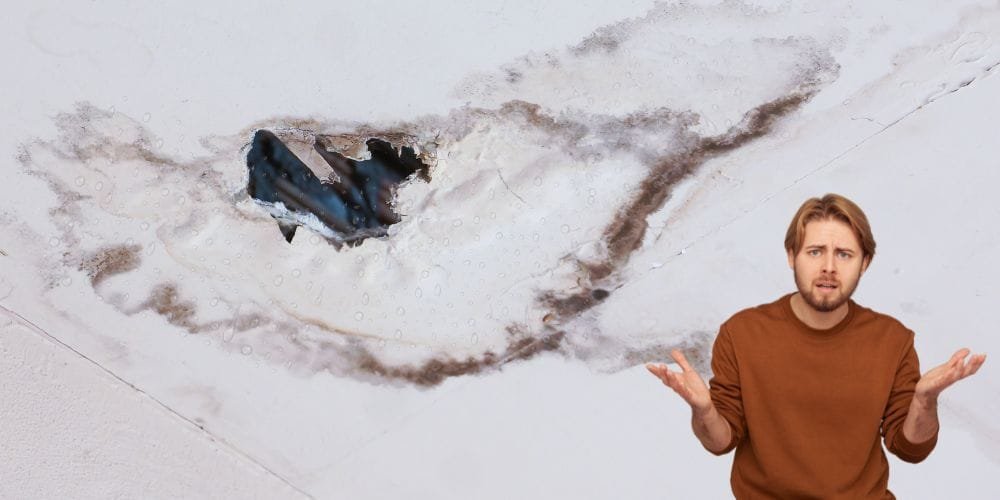
Understanding the cause helps you know how to repair a roof leak correctly.
Common causes include:
- Worn or broken shingles
- Damaged flashing around vents or chimneys
- Cracked roof sealant
- Clogged gutters can force water under shingles
- Storm or wind damage
Roof materials weaken over time, making leaks more likely.
Before you try to fix a leaking roof, it helps to understand where the water is really coming from.
Immediate Steps to Limit Damage
Before attempting to fix a leaking roof, your first priority is protecting your home’s interior.
- Place a bucket under the drip
- Move furniture and electronics away
- Use towels to absorb water
- Poke a small hole in a bulging ceiling spot to release trapped water
- If safe, cover the outside area with a tarp
These steps help control damage but do not fully repair a roof leak.
Roof Safety Warning
Climbing on a roof can be dangerous. Wet shingles are slippery, and steep roofs increase fall risk. Never attempt repairs during rain or storms. Falls are one of the most common home repair injuries. Safety guidelines for home repair work emphasize the use of proper ladders, protective gear, and avoidance of hazardous conditions. You can review general in-home repair safety recommendations from OSHA.
How to Fix a Leaking Roof (Small Issues Only)
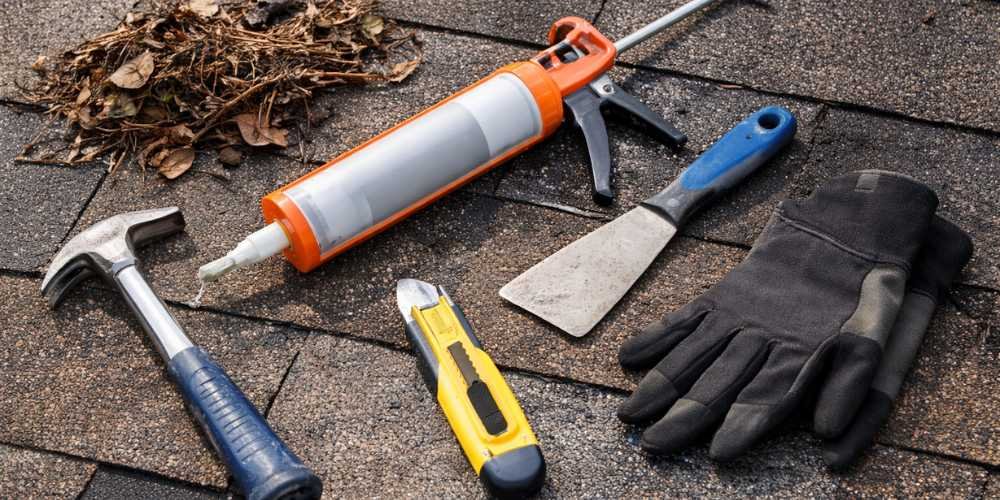
This is the part most people overlook. Not every roof leak can be safely handled without proper tools or experience. Some minor leaks can be temporarily handled if the area is safe to access.
You may be able to fix a leaking roof by:
- Applying roofing sealant to small cracks
- Replacing a single loose shingle
- Sealing small gaps in flashing
- Removing debris blocking drainage
Always work carefully. Roofs are slippery and dangerous.
These fixes are short-term. Many homeowners still need to repair a roof leak properly to stop hidden moisture damage.
When DIY Repairs Are Not Enough
Certain situations mean it is not safe or effective to fix a leaking roof yourself.
Call for professional help if you notice:
- Sagging ceiling
- Fast or heavy leaks
- Water near wiring
- Large roof damage
- Mold smell
Large leaks often require deeper inspection to fully repair a roof leak.
Water can travel along the roof decking and framing, making the leak source difficult to detect without proper inspection.
How Professionals Fix a Leaking Roof
Professional repair includes:
- Complete roof inspection
- Identifying root leak source
- Replacing damaged roofing materials
- Sealing vulnerable areas
- Testing repair effectiveness
Professional repair ensures long-term protection.
How to Prevent Future Roof Leaks
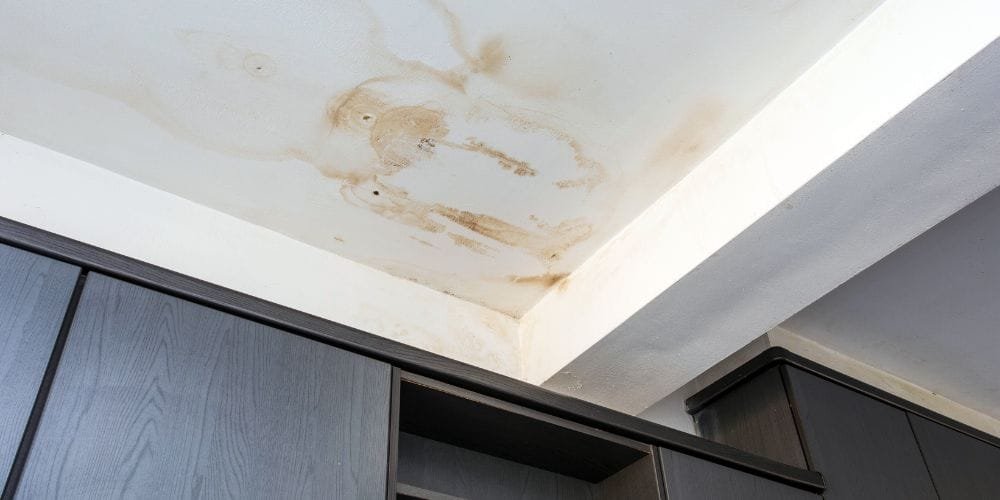
Regular care reduces the chance you will need to fix a leaking roof again.
- Inspect your roof yearly
- Clean gutters regularly
- Replace damaged shingles quickly
- Check the attic after storms
- Fix small issues early
Prevention extends the life of your roof. Moisture control and regular home maintenance attention keep small problems from becoming emergency repairs. Regular maintenance reduces the chances you will need to fix a leaking roof again.
When to Consider Professional Inspection

Knowing how to fix a leaking roof properly helps prevent structural damage, mold growth, and costly repairs. By identifying the leak source and sealing damaged areas, homeowners can restore roof protection and prevent future water intrusion.
Professional Roof Leak Repair Expertise
This guide is based on real-world roof repair experience diagnosing and fixing residential roof leaks caused by damaged shingles, flashing failure, storm damage, and aging roofing materials. Proper leak repair requires identifying the true source and sealing it completely to prevent further water intrusion and structural damage.
Taking action early gives you more repair options and helps avoid larger restoration work. Roof issues are easier and less costly to address before moisture spreads. Here are answers to common questions homeowners ask.
Roof Leak Repair Checklist
Use this checklist when fixing a leaking roof:
- Locate leak source
- Remove damaged roofing material
- Apply roofing cement
- Replace damaged shingles
- Seal flashing and joints
- Inspect repair after rainfall
This checklist ensures complete roof leak repair.
Conclusion
Knowing how to fix a leaking roof properly helps prevent structural damage, mold growth, and costly repairs. By locating the leak source, repairing damaged materials, and sealing vulnerable areas, homeowners can restore roof protection and prevent future leaks.
Frequently Asked Questions
What is the fastest way to fix a leaking roof?
The fastest way to fix a leaking roof is to locate the source, apply roofing cement, replace damaged shingles, and seal the repair area. Temporary solutions like roofing tape or tarps can stop leaks until permanent repair is completed.
How do I temporarily stop a roof leak?
Use a bucket to catch water, move belongings, and cover the exterior area with a tarp if it is safe. This is only temporary until proper roof leak repair is done.
Can a small roof leak fix itself?
No. Even small leaks grow over time. Water spreads under roofing materials and causes hidden damage.
How serious is a leaking roof?
Very serious. A leak can damage insulation, drywall, and framing, and also lead to mold. Early roof leak repair prevents costly repairs.
How long does roof leak repair take?
Minor repairs may take a few hours. Larger damage can take longer, depending on materials and weather.
Should I repair a roof leak myself?
Only very small issues should be attempted, and safety is critical. Most leaks need professional roof leak repair for a lasting solution.