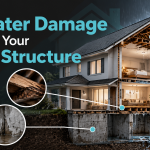

Water emergencies can happen without warning. A burst pipe, overflowing appliance, roof leak, severe storm, or flooded basement can leave a home with significant water damage in a matter of minutes. While the initial water intrusion may seem manageable, the damage can become much more serious when moisture remains inside the property.
Fast water removal is one of the most important steps in protecting your home after a water emergency. Prompt action helps limit structural damage, reduces the risk of mold growth, protects personal belongings, and can make the restoration process more manageable.
Understanding why speed matters and what to do when water enters your home can help you respond confidently and protect your property.
What Happens When Water Remains in Your Home?
Water does not stay on the surface. It can seep into flooring, drywall, insulation, wooden framing, cabinets, and other porous materials. Even when visible puddles disappear, hidden moisture may remain behind walls or beneath flooring.
The longer these materials stay wet, the greater the potential for damage.
Common consequences of delayed water removal include:
- Swelling, warping, or deterioration of flooring and woodwork.
- Damage to drywall, insulation, and interior finishes.
- Corrosion or deterioration of certain building components.
- Increased risk of mold and mildew growth.
- Persistent musty odors.
- Damage to furniture, electronics, and personal belongings.
- More extensive repairs and higher restoration costs.
Water damage can also spread beyond the area where the leak or flood first occurred. For example, water from an upstairs bathroom may travel through the ceiling and affect rooms below.
That is why a prompt assessment and a coordinated water removal process are so important.
1. Fast Water Removal Helps Prevent Further Property Damage
One of the biggest advantages of rapid water extraction is limiting how far moisture can spread throughout your home.
Water can penetrate porous materials quickly, particularly when it collects around flooring, baseboards, cabinets, and wall cavities. As moisture spreads, materials that initially appear undamaged may begin to swell, separate, or deteriorate.
Protecting Floors and Walls
Hardwood flooring can warp or buckle when exposed to excess moisture. Laminate flooring may swell, carpet padding can retain substantial amounts of water, and drywall may soften or lose its integrity.
Removing standing water promptly helps reduce continued exposure. Professional drying equipment can then address remaining moisture in affected materials.
Protecting Structural Components
Wood framing, subfloors, and other building materials can be affected by prolonged wet conditions. In severe cases, extensive moisture exposure may compromise materials or require removal and replacement.
The appropriate response depends on the type of water, the materials involved, and how long the property has been wet. Quick action gives restoration professionals a better opportunity to identify damage and determine which materials can be dried and which need replacement.
2. Quick Action Reduces the Risk of Mold Growth
Mold is a common concern after water damage because it can develop when moisture remains in a suitable environment.
Mold growth may begin within approximately 24–48 hours under favorable conditions, although the timing varies depending on temperature, humidity, materials, and the type of mold present.
Why Moisture Control Matters
Mold can grow on or around materials such as drywall, carpeting, insulation, wood, and dust-covered surfaces when sufficient moisture is available.
Simply removing visible water does not necessarily eliminate the problem. Moisture trapped beneath flooring, behind cabinets, or inside wall cavities may continue supporting mold growth.
How Fast Water Removal Helps
A proper water damage response typically involves:
- Extracting standing water.
- Identifying wet materials and hidden moisture.
- Using suitable drying equipment.
- Monitoring moisture levels during the drying process.
- Addressing contaminated materials or established mold when necessary.
Prompt extraction and thorough drying can reduce the conditions that allow mold to develop. If mold is already present or the affected area is extensive, specialized remediation may be necessary.
3. Water Removal Helps Protect Your Belongings
A water emergency can threaten more than the structure of your home. Furniture, rugs, clothing, documents, photographs, electronics, and sentimental items may also be affected.
The sooner affected belongings are assessed, the better the chance of saving items that can be safely restored.
Furniture and Household Items
Wood furniture may absorb moisture and develop swelling or finish damage. Upholstered furniture and mattresses can retain water deep inside their materials, making thorough drying difficult.
Restoration professionals can help determine whether an item can be cleaned and dried or whether replacement is more appropriate.
Documents and Personal Keepsakes
Important paperwork, photographs, books, and other paper-based items can suffer permanent damage when soaked. If these items are valuable or irreplaceable, seek appropriate recovery guidance quickly.
Avoid handling fragile, wet materials unnecessarily, as they may tear or deteriorate easily.
Electronics and Appliances
Water-exposed electronics can pose electrical hazards and may suffer internal damage even if they appear to work initially. Do not turn on wet devices or appliances until they have been assessed by a qualified professional.
If it is safe to do so, document damaged belongings with photographs for your insurance claim before moving or discarding them.
4. Professional Water Extraction Can Speed Up Restoration
Removing water with household towels or a standard wet-dry vacuum may be sufficient for a very small, clean spill. However, significant water emergencies often require specialized equipment and a more comprehensive drying strategy.
Professional water restoration teams commonly use several types of equipment.
High-Capacity Water Extractors
These machines remove standing water from floors, carpets, and other accessible surfaces. Rapid extraction reduces the amount of moisture that must later be removed through evaporation.
Air Movers
Air movers circulate air across wet surfaces to encourage evaporation. Their placement and operation should be adjusted to suit the affected materials and environmental conditions.
Commercial Dehumidifiers
Dehumidifiers remove moisture from indoor air, helping maintain conditions that support drying. Depending on the situation, professionals may use refrigerant or desiccant equipment.
Moisture Detection Tools
Moisture meters and other assessment tools help identify wet materials that may not appear visibly damaged. Thermal imaging may also assist with locating temperature patterns associated with moisture, although it does not directly confirm water content.
Using appropriate equipment and monitoring moisture levels helps restoration professionals determine when materials have reached suitable drying conditions.
5. Fast Water Removal Can Help Control Restoration Costs
Water damage can become more expensive when moisture spreads or materials remain wet for extended periods.
A small affected area may require relatively limited extraction and drying. If water spreads beneath flooring, into wall cavities, or across several rooms, restoration may involve additional demolition, cleaning, drying, and reconstruction.
Why Delays Can Increase Expenses
Delayed action may contribute to:
- More extensive material damage.
- Additional mold assessment or remediation.
- Replacement of flooring, drywall, insulation, or cabinetry.
- Longer restoration timelines.
- Temporary accommodation or other disruption.
- More complicated insurance documentation.
Prompt water removal cannot guarantee that damage will be avoided, especially when flooding is severe. However, acting quickly can help prevent avoidable deterioration and give restoration professionals a better opportunity to limit the affected area.
6. Proper Water Removal Helps Address Health and Safety Concerns
Standing water and damp materials can create several potential hazards inside a home.
These may include electrical dangers, slippery surfaces, contaminated floodwater, mold growth, and unsafe building materials.
Not All Water Is Safe to Handle
Water damage is generally assessed according to its source and level of contamination. Clean water from a supply line may present different risks from water containing household waste or sewage.
Floodwater from outside may contain microorganisms, chemicals, debris, and other contaminants. The water’s appearance alone cannot establish whether it is safe.
Avoid direct contact with potentially contaminated water. Appropriate protective equipment, cleaning methods, and professional assistance may be necessary.
Electrical Safety Comes First
If water is near electrical outlets, appliances, wiring, or an electrical panel, do not enter the affected area or touch equipment that may be energized.
Have the power disconnected by a qualified professional when necessary. Never operate electrical equipment in standing water.
If the home has sustained major flooding, structural damage, or possible sewage contamination, leave the affected area and seek appropriate emergency or restoration assistance.
7. The Right Response Depends on the Type of Water Emergency
Different water emergencies require different restoration approaches. Identifying the source helps determine the safest and most effective response.
Burst Pipes and Plumbing Leaks
A burst pipe can release a large volume of water into floors, cabinets, walls, and ceilings.
If it is safe and accessible, shut off the water supply. Then arrange for the plumbing problem to be repaired and the affected areas to be assessed and dried.
Washing Machine or Dishwasher Leaks
Appliance leaks may affect nearby cabinets, flooring, and adjoining rooms. Water can travel beneath appliances and into concealed spaces, so the visible puddle may not represent the full extent of the damage.
Stop the appliance if safe and arrange for the leak to be corrected before normal use resumes.
Roof Leaks and Storm Damage
Rainwater entering through a damaged roof, window, or exterior wall may affect insulation, ceilings, and interior finishes.
Once conditions are safe, the source of the intrusion should be addressed. Temporary weather protection may be needed, followed by water extraction and moisture assessment.
Basement Flooding
Basements can experience water intrusion from heavy rain, drainage failures, plumbing problems, or groundwater conditions.
Before entering a flooded basement, consider electrical hazards, structural stability, and possible contamination. Pumping water too quickly in certain groundwater conditions can also create structural risks, so substantial flooding may require professional assessment.
8. What to Do Immediately After a Home Water Emergency
Knowing what to do during the first few hours can help reduce damage and make the restoration process more organized.
Step 1: Protect people first. Keep children and pets away from affected areas. Leave any area with electrical hazards, structural concerns, or potentially contaminated floodwater.
Step 2: Stop the water source if safe. Shut off the relevant supply valve or main water supply when appropriate. Do not attempt repairs in unsafe conditions.
Step 3: Contact the appropriate professionals. Arrange plumbing repairs, emergency water extraction, or other assistance based on the source and severity of the incident.
Step 4: Document the damage. Take photographs and videos when it is safe to do so. Record damaged belongings and retain relevant receipts.
Step 5: Contact your insurance company. Report the incident promptly and ask about coverage, documentation, approved vendors, and any required inspection procedures.
Step 6: Begin appropriate water removal and drying. Do not wait for visible mold or obvious structural damage before addressing moisture. Significant water intrusion generally warrants a professional assessment.
Step 7: Monitor the drying process. Ensure affected areas are evaluated, moisture is measured where appropriate, and any necessary cleaning or material removal is completed.
Avoid using household fans or other equipment if the area may contain contaminated water or electrical hazards.
9. Why a Complete Drying Process Matters
Water extraction is only the first stage of many restoration projects. A property may look dry on the surface while moisture remains trapped inside materials.
A complete restoration process may include extraction, moisture mapping, controlled drying, cleaning, deodorization, and removal of damaged materials.
Verify Moisture Levels
Restoration professionals use moisture readings and other observations to determine whether affected materials have dried sufficiently. Comparing readings with suitable dry standards can help assess progress.
Address Hidden Moisture
Water may collect beneath carpets, behind baseboards, under cabinets, or within wall cavities. These locations need to be assessed when the extent of the damage warrants it.
Clean and Restore Affected Areas
Depending on the water source, cleaning and disinfection may be necessary. Materials that cannot be safely cleaned or adequately dried may need to be removed.
Reconstruction should generally wait until the affected area has been appropriately assessed and dried.
10. How to Choose a Water Damage Restoration Company
When a home emergency occurs, choosing a qualified restoration provider can make the process easier to manage.
Consider the following factors when evaluating a company:
- Emergency response: Ask how quickly the team can assess your property and begin appropriate work.
- Relevant experience: Look for experience with the specific type and scale of water damage involved.
- Equipment and assessment methods: Ask how the company identifies hidden moisture and monitors drying progress.
- Clear documentation: A professional provider should explain the work performed and provide appropriate records.
- Safety practices: Confirm that the company follows suitable procedures for electrical hazards, contaminated water, and affected materials.
- Insurance coordination: Ask whether the company can provide documentation for your insurer, while remembering that coverage decisions remain with the insurer.
- Scope and pricing: Request a clear explanation of the proposed work, potential additional costs, and the circumstances that could change the estimate.
The right provider should focus on identifying the full extent of the damage, removing water safely, drying affected areas, and helping prevent further problems.
Conclusion
Fast water removal matters because water damage can continue long after the initial emergency. Moisture can spread into structural materials, damage personal belongings, encourage mold growth, and increase the complexity of restoration.
Prompt action, safe water extraction, professional moisture assessment, and thorough drying can help limit damage and support a more efficient recovery.
If your home experiences a burst pipe, appliance leak, roof leak, or flooding event, prioritize safety and address the water source as quickly as conditions allow. For significant water intrusion, professional restoration assistance can help identify hidden moisture and determine the steps needed to return your home to a safe, dry condition.
The sooner water damage is addressed, the better your chances of limiting additional damage and restoring your home efficiently.