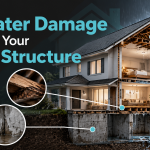

Water damage can happen because of burst pipes, leaking appliances, roof leaks, flooding, or severe storms. If not addressed quickly, moisture can damage walls, flooring, furniture, and other parts of your property. Professional water damage restoration helps remove water, dry affected areas, and restore your home or business safely.
Understanding the restoration process can help you know what to expect when hiring professionals.
1. Initial Inspection and Damage Assessment
The restoration process begins with a thorough inspection of the affected property. Professionals identify the source of the water, assess visible damage, and check for hidden moisture behind walls, under flooring, and inside ceilings.
They also determine the extent of the damage and develop a restoration plan based on the property’s condition.
2. Water Removal and Extraction
Once the assessment is complete, technicians begin removing standing water using professional pumps, wet vacuums, and extraction equipment.
Quick water removal helps minimize damage to building materials, furniture, and personal belongings. The sooner excess water is removed, the easier it may be to prevent additional deterioration.
3. Drying and Dehumidification
Even after visible water is removed, moisture can remain trapped in walls, floors, carpets, and other materials.
Restoration professionals use industrial air movers and dehumidifiers to speed up drying. Moisture meters and other monitoring tools help technicians determine whether affected materials are drying properly.
This step is essential for reducing the risk of mold growth and further structural damage.
4. Cleaning and Sanitization
Water damage can introduce dirt, bacteria, and other contaminants into a property. The appropriate cleaning process depends on the water source and the materials affected.
Professionals clean salvageable surfaces and belongings using suitable cleaning agents and methods. If the damage involves contaminated floodwater or sewage, specialized protective equipment and sanitation procedures may be necessary.
5. Mold Prevention and Remediation
Moisture that remains in a property can encourage mold growth. Restoration teams check for visible mold and conditions that could allow it to develop.
Prompt drying helps reduce the risk, but existing mold may require additional remediation. If mold is present, professionals may need to remove affected materials, contain the area, and clean surfaces using appropriate procedures.
6. Repairs and Property Restoration
After the affected areas are clean and dry, repair work can begin. Depending on the severity of the damage, this may include:
- Replacing damaged drywall and insulation.
- Repairing or replacing flooring.
- Repainting walls and ceilings.
- Restoring cabinets and trim.
- Repairing damaged fixtures.
- Addressing structural damage when necessary.
The goal is to return the property to a safe, functional condition while addressing the source of the water intrusion.
7. Final Inspection and Moisture Verification
Before the project is considered complete, restoration professionals inspect the repaired areas and verify that moisture levels have reached acceptable targets.
They may document the work performed, provide recommendations for preventing future water damage, and identify any remaining repairs that require attention.
Why Is Professional Water Damage Restoration Important?
Professional restoration can help limit further property damage, identify hidden moisture, reduce the risk of mold growth, and ensure that cleanup is appropriate for the type of water involved.
Attempting to dry a severely affected property without suitable equipment can leave moisture trapped in concealed areas. Professional assessment and monitoring help ensure that the restoration process addresses more than just visible damage.
Frequently Asked Questions
How long does water damage restoration take?
The timeline depends on the amount of water, the materials affected, and the extent of the damage. Drying may take several days, while extensive repairs can take considerably longer.
Can water-damaged materials be saved?
Some materials, furniture, and belongings can be cleaned and restored, while others may need replacement. The decision depends on the material, exposure time, contamination level, and severity of the damage.
Does water damage always cause mold?
No, but prolonged moisture creates conditions that support mold growth. Prompt water extraction and thorough drying can reduce the risk.
When should I call a water damage restoration professional?
Contact a professional as soon as possible after discovering significant water damage. If the water may be contaminated, avoid contact and seek specialized assistance.
Is water damage restoration covered by insurance?
Coverage depends on your policy and the cause of the damage. Review your policy, document the damage with photographs, and contact your insurer promptly.
Final Thoughts
Professional water damage restoration involves inspection, water extraction, drying, cleaning, mold assessment, repairs, and final moisture checks. Each stage helps address the effects of water intrusion and protect your property from further damage.
Acting quickly and working with qualified restoration professionals can make the recovery process more manageable and help restore your home or business to a safe, comfortable condition.
If your property has experienced water damage, arrange a professional assessment promptly to determine the safest and most effective restoration approach.