When moisture problems occur inside a property, professionals often warn about the risks of black mold growth. Homeowners and businesses should understand how quickly mold can develop and spread when conditions are right. Mold spores naturally exist in the air, but leaks, flooding, and high humidity create an ideal environment for mold to grow rapidly on walls, ceilings, and hidden surfaces.
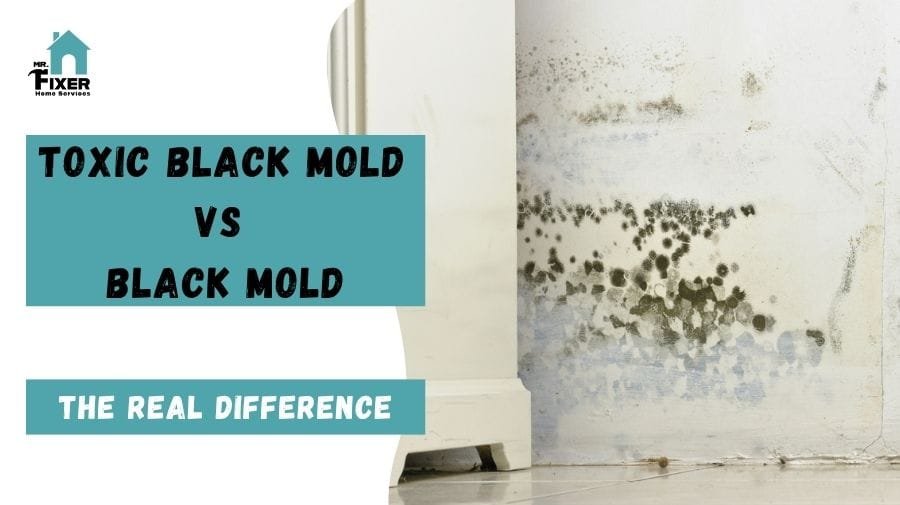
Mold is commonly found in damp indoor spaces, especially in areas with poor ventilation. While there are many types of mold, including mildew, the terms black mold and toxic black mold are often used interchangeably. However, these are not exactly the same. Different types of black-colored mold can vary in toxicity, appearance, and potential health effects.
All mold can affect indoor air quality and may trigger allergic reactions or respiratory discomfort. However, there is a clear difference between general black mold and toxic black mold, particularly in terms of how they behave and how they impact human health.
Toxic Black Mold
Toxic black mold, scientifically known as Stachybotrys chartarum, is a dark green or black fungus that develops in areas with long-term moisture exposure. It is considered more hazardous than common household molds because it produces mycotoxins, which can become airborne and circulate through indoor environments.
These microscopic spores can be inhaled without immediate awareness, potentially affecting respiratory health over time. Toxic black mold is most often found in areas that have experienced prolonged water damage, such as basements, crawlspaces, attics, and behind walls or ceilings.
How Do You Identify Toxic Black Mold?
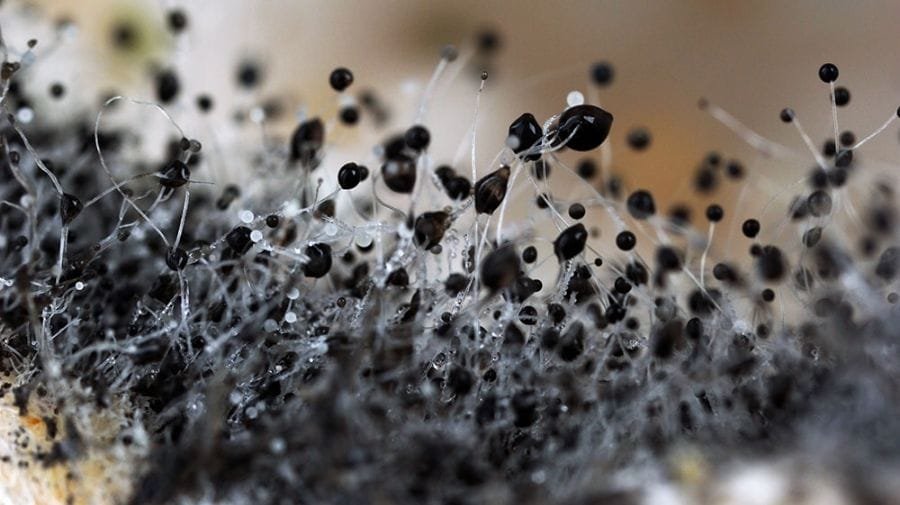
Identifying toxic black mold requires attention to both its appearance and the environment in which it grows. It typically develops in consistently damp or previously flooded areas where moisture has remained for an extended period.
Visually, toxic black mold often appears:
- Dark greenish-black or grey-black
- Slimy or wet when active
- Sometimes patchy or clustered
It may also have a strong, unpleasant odour, often described as similar to rotting material, damp soil, or decay. Unlike lighter mold growth, toxic black mold can be more difficult to remove and may not easily wipe away from surfaces.
What Are the Health Effects of Toxic Black Mold?
Exposure to toxic black mold can lead to more serious health concerns, particularly with long-term exposure. The presence of mycotoxins increases the risk of respiratory issues and chronic symptoms in sensitive individuals.
Common symptoms include:
- Persistent coughing
- Sneezing and nasal irritation
- Eye redness and watering
- Skin irritation or rashes
- Headaches and fatigue
In more severe cases, prolonged exposure may contribute to breathing difficulties, weakened immune response, and ongoing respiratory conditions. Individuals with pre-existing health issues or weakened immunity may be more vulnerable to these effects.
What Is the Best Way to Clean Toxic Black Mold?
Cleaning toxic black mold should be approached with caution. Disturbing mold can release spores into the air, increasing exposure risk. Protective measures such as gloves, masks, and eye protection are essential when handling affected areas.
Because toxic mold can spread into hidden spaces like air ducts and wall cavities, professional assessment is often recommended for larger infestations. Proper containment and removal techniques are necessary to prevent further contamination.
If you’re wondering about pricing, explore our guide on mold remediation costs in San Antonio to understand what to expect.
Black Mold (Common Household Mold)
Black mold is a broad term used for any mold that appears black or dark in colour. Unlike toxic black mold, it includes various species that may not produce mycotoxins but can still affect indoor air quality.
Common black mold is more likely to appear in everyday areas such as bathrooms, kitchens, window frames, and areas with minor moisture exposure. It tends to grow on surfaces that experience regular humidity rather than long-term water damage.
How Do You Identify Black Mold?
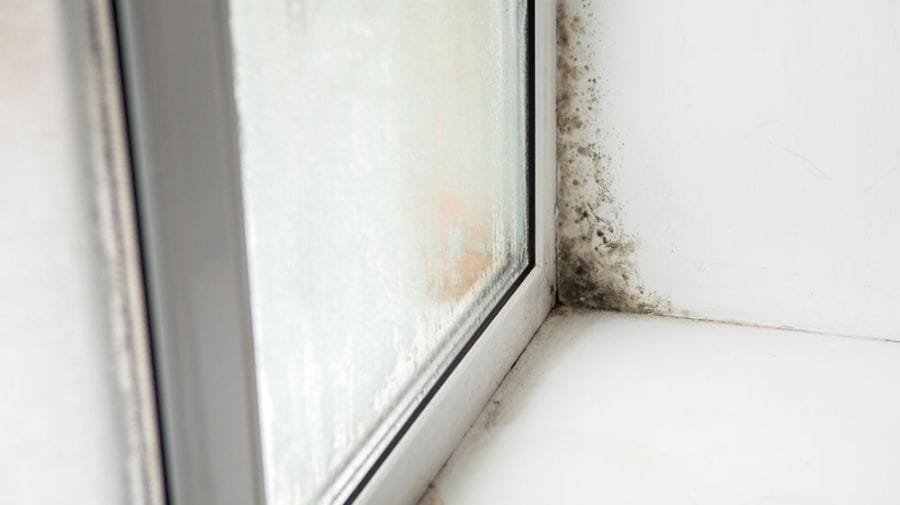
Common black mold is easier to identify and typically appears as:
- Small black or dark spots
- Dry or slightly fuzzy texture
- Surface-level growth
It usually develops in visible areas and is easier to clean compared to toxic black mold. The smell is less intense and may not be as noticeable as the strong odour associated with toxic mold.
To better understand visual signs, you can also read our detailed guide on what black mold looks like.
What Are the Health Effects of Black Mold?
Although less harmful than toxic black mold, common black mold can still cause discomfort and mild health symptoms, especially for sensitive individuals.
Typical reactions include:
- Nasal congestion
- Sneezing
- Watery or irritated eyes
- Mild coughing
- Skin irritation
These symptoms are generally similar to common allergies and often improve once exposure is reduced.
What Is the Best Way to Clean Black Mold?
Non-toxic black mold can often be cleaned using standard household solutions such as:
- Mild cleaning agents
- Soap and water
- Diluted bleach solutions
Cleaning should focus on removing moisture sources as well as visible mold. Surfaces should be dried thoroughly to prevent regrowth.
It’s also important to understand the difference between mold removal and mold remediation before choosing the right approach.
What Does Black Mold Smell Like?
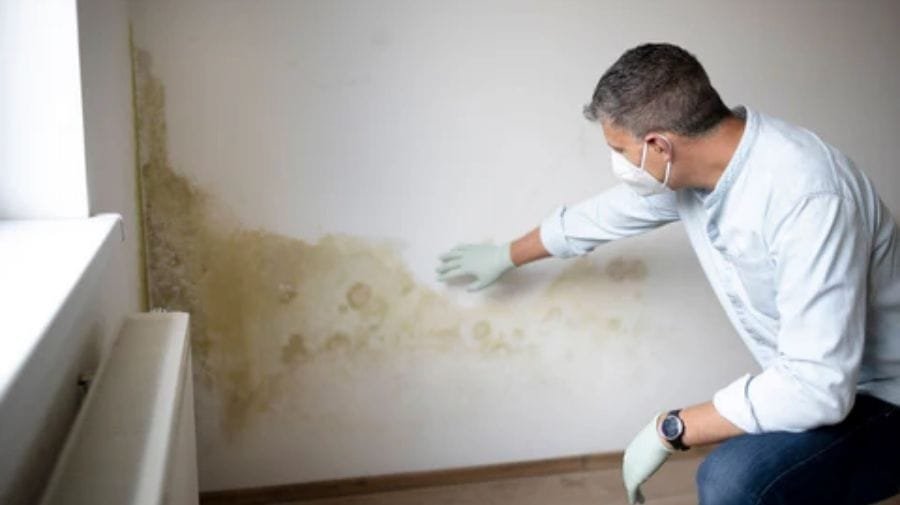
One of the earliest signs of mold growth is its smell. Many people ask, what does black mold smell like?
The odour is typically:
- Musty
- Earthy
- Damp
- Similar to wet clothes or decaying wood
In many cases, the smell appears before mold becomes visible, especially when it is growing behind walls or under flooring.
Mold Prevention Tips
Preventing mold growth is the most effective way to maintain a healthy indoor environment. Since mold thrives in moisture, controlling humidity and addressing water issues quickly is essential.
Key Prevention Methods
- Keep indoor humidity levels between 30–50%
- Repair leaks and water damage immediately
- Use ventilation in bathrooms and kitchens
- Dry wet areas quickly
- Regularly clean and inspect moisture-prone areas
Proper airflow and moisture control significantly reduce the chances of mold growth.
Conclusion
Understanding the difference between toxic black mold vs black mold helps eliminate confusion and supports better decision-making.
While toxic black mold produces harmful mycotoxins and may lead to more serious health concerns, common black mold is generally less severe but still capable of affecting indoor air quality and comfort.
The most important factor is not just the type of mold, but how quickly it is identified and addressed. Early action, moisture control, and proper cleaning can prevent mold from becoming a larger problem.
Address Mold Issues Before They Get Worse
If you’ve identified mold in or around your home or business and suspect the problem may be more serious, it is important to take action before it spreads further. Mold can grow behind walls, under flooring, and in areas that are not immediately visible, making early response essential.
A professional inspection can help determine the extent of the issue, identify the source of moisture, and outline the safest approach for removal. Proper handling is especially important in cases involving potential toxic black mold, where disturbance can release spores into the air.
At Mr Fixer Home Services, trained professionals assess the situation carefully and provide clear recommendations based on the severity of the mold growth. From initial inspection to removal, the focus remains on addressing the root cause and preventing future issues.
You can contact the team by phone at (210) 494-5222 to discuss your concerns, schedule an inspection, and understand the next steps required to restore a safe indoor environment.