
Water damage is one of the most common problems homeowners face, but it is also one of the easiest to underestimate. A small ceiling leak, damp wall, dripping pipe, or flooded floor may not seem like a serious issue at first. However, when water damage is left untreated, it can lead to expensive repairs, structural problems, and potential health risks.
Understanding the hidden dangers of untreated water damage can help you recognize warning signs and take action before the situation gets worse.
1. Mold and Mildew Growth
One of the biggest risks of untreated water damage is mold growth. Mold can begin developing in damp areas within 24 to 48 hours under suitable conditions.
It commonly grows behind walls, under carpets, inside ceilings, and around leaking pipes.
Mold can cause:
- Musty odors throughout the property.
- Allergic reactions and skin irritation.
- Coughing, sneezing, and respiratory irritation.
- Worsening symptoms for people with asthma or allergies.
Professional water damage restoration and proper drying can help prevent moisture from creating conditions for mold growth.
2. Structural Damage to Your Property
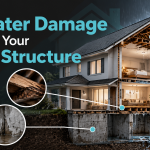
Water can gradually weaken important building materials when moisture remains trapped for long periods.
Wood may warp or rot, drywall can soften, and flooring materials may become damaged. In severe cases, prolonged moisture exposure can affect structural components of the property.
Addressing water damage early helps reduce the risk of extensive repairs.
3. Electrical Hazards
Water and electricity are a dangerous combination. Leaks near electrical outlets, wiring, appliances, or electrical panels can create serious safety risks.
Potential problems include short circuits, damaged electrical equipment, and electric shock.
If water reaches electrical systems, avoid touching affected equipment or entering standing water. Contact a qualified electrician, and seek emergency assistance if there is an immediate hazard.
4. Unpleasant Odors
Persistent dampness often creates musty or unpleasant smells throughout a property.
These odors may come from moisture trapped inside carpets, insulation, drywall, furniture, or other porous materials.
Simply cleaning the visible surface may not solve the problem. The underlying moisture must be identified and properly addressed.
5. Damage to Furniture and Personal Belongings
Untreated water damage can affect more than walls and floors.
Furniture, clothing, electronics, documents, and other personal belongings may become stained, warped, or permanently damaged.
Quick action can sometimes help save valuable items and reduce replacement costs.
6. Increased Repair and Restoration Costs
A minor leak may require only a relatively simple repair if addressed early. However, allowing water damage to continue can turn a small problem into a major restoration project.
Costs may increase because of:
- Extensive drywall and flooring replacement.
- Mold inspection and remediation.
- Damaged insulation and wood.
- Electrical repairs.
- Structural restoration.
Prompt professional attention can help prevent additional damage and unnecessary expenses.
7. Reduced Indoor Air Quality
Moisture trapped inside a property can encourage mold and microbial growth, potentially affecting indoor air quality.
People living or working in affected spaces may experience irritation, coughing, sneezing, or other respiratory symptoms.
If you notice persistent moisture or musty odors, consider having the affected areas professionally inspected.
Common Signs of Hidden Water Damage
Not all water damage is immediately visible. Some warning signs may indicate moisture problems behind walls, beneath floors, or above ceilings.
Look out for:
- Yellow or brown ceiling stains.
- Peeling paint or bubbling wallpaper.
- Warped floors or swollen baseboards.
- Persistent musty odors.
- Damp or discolored walls.
- Unexplained increases in water bills.
- Visible mold or mildew.
If you notice these signs, investigate the source of moisture rather than simply covering up the affected area.
How to Prevent Water Damage From Getting Worse
Taking quick action can help protect your property and reduce restoration expenses.
Here are a few important steps:
- Fix leaks quickly: Repair leaking pipes, faucets, roofs, and appliances.
- Inspect vulnerable areas: Regularly check bathrooms, basements, kitchens, and ceilings.
- Address standing water: Remove water safely as soon as possible.
- Dry affected materials: Use appropriate drying equipment and professional assistance when needed.
- Check for hidden moisture: Moisture detection equipment can help identify water trapped behind surfaces.
- Schedule professional inspections: Seek expert help when damage is extensive or the source is unclear.
Never enter flooded areas if electrical hazards or contaminated water may be present.
Why Professional Water Damage Restoration Matters
Water damage restoration involves more than removing visible water. Proper restoration includes identifying the moisture source, assessing affected materials, removing standing water, drying the property, and checking for remaining moisture.
Professional restoration specialists have the equipment and experience to identify hidden damage and recommend appropriate solutions.
Getting professional help early can reduce the risk of mold growth, protect building materials, and make the restoration process more manageable.
Final Thoughts
Untreated water damage can create serious problems for any property. From mold growth and structural deterioration to electrical hazards and damaged belongings, the consequences can become increasingly expensive over time.
The best approach is to recognize warning signs and address moisture problems as soon as possible.
Notice a leak, damp wall, or unexplained musty odor? Do not wait for the damage to spread. Arrange a professional inspection and take steps to protect your property.