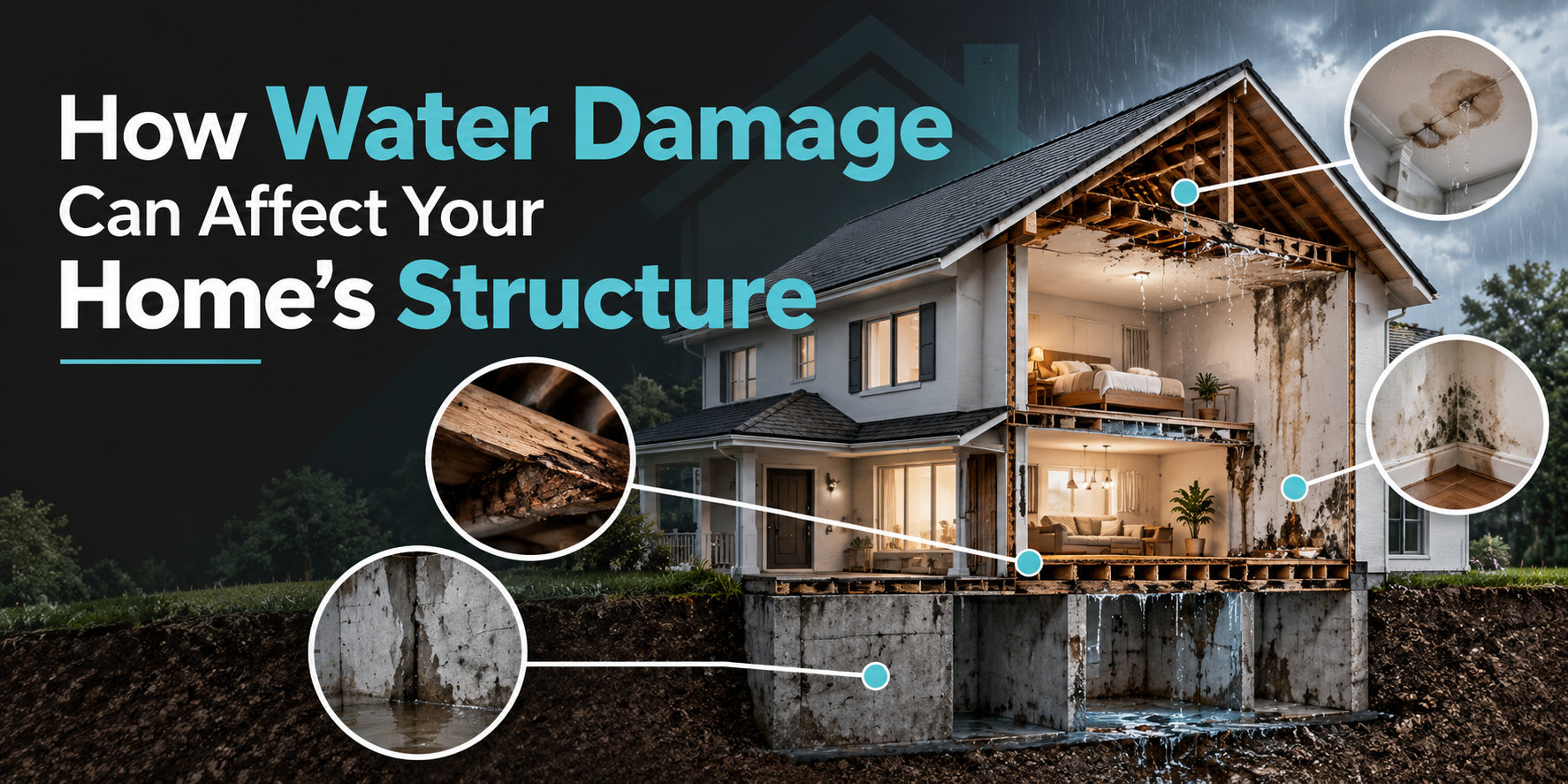
Water is essential for everyday living, but when it enters areas of your home where it does not belong, it can cause serious structural problems. From leaking pipes and roof damage to flooding and poor drainage, water intrusion can gradually weaken building materials and compromise the safety and stability of your property.
While some signs of water damage are easy to notice, others develop behind walls, beneath flooring, or inside ceilings. If left untreated, even a small leak can lead to expensive repairs, mould growth, and long-term structural deterioration.
Understanding how water damage affects your home’s structure can help you identify warning signs early, prevent further damage, and protect your property’s value.
1. Weakens the Foundation
Your home’s foundation supports the entire structure, making it one of the most important areas to protect from water damage.
Excess water around the foundation can result from poor drainage, leaking underground pipes, heavy rainfall, or inadequate grading. When water accumulates near the base of a building, it can increase pressure against foundation walls and contribute to soil movement.
In some conditions, moisture can also cause certain soils to expand or shrink, placing additional stress on the foundation.
Common Warning Signs
- Cracks appearing in foundation walls or concrete floors
- Water pooling around the property’s exterior
- Uneven or sloping floors
- Doors and windows that suddenly become difficult to open
- Water entering basements or crawl spaces
Not every crack indicates serious structural damage, but new or widening cracks should be assessed by a qualified professional. Correcting drainage problems and addressing leaks early can help reduce the risk of further deterioration.
2. Damages Wooden Beams and Structural Framing
Wood is widely used in residential construction for floor joists, roof framing, wall studs, and other structural components. Although timber can be durable, prolonged exposure to moisture can weaken it.
When wood remains damp, it may swell, warp, split, or begin to decay. Persistent moisture can also create conditions that allow wood-decay fungi to grow.
Over time, damaged framing may lose some of its ability to support the loads placed on it.
Signs of Water-Damaged Wood
- Soft or spongy wooden surfaces
- Discoloured timber
- Musty odours around floors, walls, or ceilings
- Sagging floors or visible deformation
- Crumbling or deteriorating wood near leaks
If structural timber is affected, simply drying the visible surface may not be enough. The source of the moisture must be corrected, and damaged components may need professional inspection and repair.
3. Causes Ceiling and Wall Damage
Ceilings and walls are common places for water damage to appear. Roof leaks, plumbing failures, overflowing fixtures, and water entering through exterior walls can allow moisture to spread through building materials.
Plasterboard, drywall, insulation, paint, and decorative finishes may deteriorate when exposed to water.
Initially, the damage may appear cosmetic. However, continued moisture can affect concealed framing, electrical components, and insulation behind the finished surfaces.
Look for These Signs
- Brown or yellow water stains
- Peeling paint or bubbling wallpaper
- Cracked or swollen plasterboard
- Sagging ceiling sections
- Damp patches that return after being cleaned
- Persistent musty smells
A sagging ceiling or a ceiling that is actively bulging with water can be dangerous. Keep people away from the affected area and arrange urgent professional assistance rather than attempting to puncture or repair it yourself.
4. Damages Floors and Subflooring
Water damage can affect both visible flooring and the materials beneath it.
Hardwood floors may swell, cup, buckle, or separate when exposed to excess moisture. Laminate flooring can swell at its edges, while carpets may retain water and develop persistent odours.
The greater concern is often the subfloor, which may be made from plywood, timber, concrete, or other materials. If moisture remains trapped beneath the finished floor, it can damage adhesives, weaken wood-based materials, and encourage mould growth.
Signs of Floor Damage
- Floorboards that lift or buckle
- Soft spots when walking across a floor
- Uneven or spongy areas
- Loose tiles or deteriorating grout
- Persistent dampness beneath carpets
- Unexplained changes in floor height
The correct repair depends on the flooring material, the extent of water penetration, and how long the area has remained wet. Drying equipment and professional moisture measurements can help determine whether materials can be saved or require replacement.
5. Promotes Mould Growth and Indoor Air Problems
Mould is a common consequence of persistent moisture. It can grow on drywall, wood, insulation, carpets, and other materials when suitable conditions are present.
Although mould does not always cause structural damage directly, its presence can indicate an ongoing moisture problem. Some types of fungi can also contribute to the deterioration of susceptible building materials.
In addition, damp buildings and mould exposure can cause allergic reactions or worsen asthma and other respiratory symptoms in sensitive individuals.
Common Signs of Mould or Excess Moisture
- Musty smells in enclosed rooms
- Dark or greenish patches on surfaces
- Condensation around windows
- Damp insulation or wall cavities
- Repeated mould growth after cleaning
The most effective approach is to identify and eliminate the moisture source, dry affected materials, and remove contaminated materials when necessary.
Simply painting over mould or applying a surface cleaner without correcting the underlying problem is unlikely to provide a lasting solution.
6. Corrodes Metal Components and Fasteners
Metal components play an important role in many homes, including steel supports, nails, screws, brackets, reinforcement, and plumbing connections.
When these components are exposed to moisture over time, corrosion may occur. Corrosion can reduce the strength of susceptible metal parts and affect their connections to surrounding materials.
In reinforced concrete, corrosion of embedded steel can cause expansion, cracking, and eventually concrete spalling under certain conditions.
Potential Warning Signs
- Rust stains on walls or concrete
- Corroded metal brackets or fasteners
- Flaking or cracking concrete
- Exposed reinforcement in damaged concrete
- Leaking or deteriorating metal pipes
Corrosion in an important load-bearing component should be evaluated by a qualified building professional. The severity depends on the component, the extent of corrosion, and the loads it carries.
7. Affects Roofs and Attic Structures
Roof leaks can allow water to enter a home through damaged shingles, flashing, roof valleys, vents, or poorly sealed joints.
Once inside, water can affect roof decking, rafters, insulation, ceilings, and electrical systems. Because attic spaces are often less visible during everyday use, moisture-related damage may go unnoticed for an extended period.
Repeated leaks can also create favourable conditions for timber decay and mould growth.
Signs of Roof-Related Water Damage
- Water stains on upper-floor ceilings
- Damp or compressed attic insulation
- Visible moisture around roof penetrations
- Damaged or discoloured roof decking
- Peeling paint near the top of walls
- Musty odours in attic spaces
Inspecting the roof after severe weather and addressing damaged flashing, roof coverings, and drainage components can help prevent water from reaching structural materials.
8. Causes Windows and Doors to Stick
Windows and doors that suddenly become difficult to open or close may sometimes indicate moisture-related movement in the surrounding materials.
Wooden frames can swell when exposed to water. Moisture can also damage surrounding trim, plaster, and framing. In more serious cases, foundation movement or structural distortion may contribute to alignment problems.
However, sticking doors and windows can also result from ordinary seasonal expansion, worn hardware, or installation issues.
If several doors or windows develop problems at the same time, particularly alongside new cracks or uneven floors, a professional assessment may help identify the underlying cause.
9. Increases Repair Costs Over Time
One of the biggest risks associated with water damage is the way a small problem can develop into a larger repair.
For example, a minor pipe leak may initially affect a cabinet or a small section of drywall. If it continues unnoticed, moisture may spread into insulation, floor framing, and adjacent rooms.
The longer water remains in building materials, the greater the possibility of additional damage and more extensive restoration work.
Early intervention may help homeowners avoid expenses associated with:
- Structural timber repairs
- Drywall and ceiling replacement
- Flooring removal and installation
- Insulation replacement
- Mould remediation
- Plumbing or roofing repairs
- Foundation and drainage improvements
Repair costs vary considerably depending on the source of the water, the affected materials, the duration of exposure, and local labour and material prices.
10. Reduces Property Value and Buyer Confidence
Visible water stains, mould, damaged flooring, and unexplained structural cracks can raise concerns for prospective buyers.
Even if the original problem has been repaired, buyers may want evidence that the moisture source was addressed and that affected materials were properly restored.
Undisclosed or unresolved water damage may complicate a property sale, lead to additional inspections, or influence negotiations. The actual impact on value depends on the extent of damage, the quality of repairs, local market conditions, and applicable disclosure requirements.
If your home has experienced significant water damage, keep records of inspections, repair invoices, moisture assessments, and any relevant insurance claims. Proper documentation can help demonstrate the work completed and provide greater clarity during a future sale.
Common Causes of Water Damage in Homes
Recognising the sources of water intrusion is an important step in preventing structural problems.
Common causes include:
- Plumbing leaks: Damaged pipes, loose fittings, leaking water heaters, and faulty fixtures.
- Roof damage: Missing shingles, damaged flashing, blocked roof drainage, and failed seals.
- Poor exterior drainage: Incorrect ground grading, blocked gutters, or downspouts discharging too close to the foundation.
- Flooding: Heavy rainfall, overflowing rivers, stormwater, or other flood events.
- Window and door leaks: Deteriorated seals, damaged frames, or poorly installed flashing.
- Appliance failures: Leaking washing machines, dishwashers, refrigerators, and water heaters.
- High indoor humidity: Poor ventilation and condensation in bathrooms, kitchens, basements, and other enclosed spaces.
Identifying the original cause is essential. Repairing the visible damage without correcting the source may allow the problem to return.
How to Prevent Water Damage to Your Home’s Structure
Although not every water-related incident can be prevented, routine maintenance and early action can reduce the risk of serious damage.
1. Inspect Your Plumbing Regularly
Check visible pipes, valves, water heaters, and connections for leaks or corrosion. Pay attention to unexplained increases in water usage or damp areas near plumbing fixtures.
Arrange repairs promptly when a leak is identified.
2. Maintain Your Roof and Gutters
Inspect roof coverings, flashing, gutters, and downspouts periodically and after significant storms. Clear blockages and make sure rainwater is directed away from the foundation.
Use a qualified roofing professional for repairs involving unsafe heights or damaged roof structures.
3. Improve Drainage Around the Foundation
The ground surrounding your home should generally direct surface water away from the foundation, subject to local site conditions and drainage requirements.
Avoid allowing water to accumulate near exterior walls. If water repeatedly enters a basement or crawl space, consult a drainage or foundation specialist to identify the cause.
4. Control Indoor Humidity
Use appropriate ventilation in kitchens, bathrooms, and laundry areas. Repair leaks quickly and use dehumidification where necessary to manage excessive indoor moisture.
Address condensation promptly, particularly when it repeatedly appears on walls, windows, or other building surfaces.
5. Check Hidden and Less-Visible Areas
Periodically inspect under sinks, around appliances, inside accessible cupboards, in basements, and in attic spaces where safe and practical.
Early signs such as damp insulation, discolouration, or musty odours may reveal a problem before it becomes extensive.
6. Respond Quickly After a Water Incident
If a pipe bursts or water enters your home, stop the source if it is safe to do so and contact an appropriate professional.
Avoid contact with electrical equipment or outlets in wet areas. If flooding may have affected the electrical system, keep clear and arrange assessment by a qualified electrician.
Wet materials should be dried promptly, and contaminated floodwater requires special precautions. Materials that cannot be adequately cleaned and dried may need to be removed.
When Should You Call a Professional?
Some water-related issues can be addressed through routine maintenance, but others require specialist assessment.
Contact a qualified professional if you notice:
- New or widening structural cracks
- Sagging floors, ceilings, or roof sections
- Persistent water intrusion despite repeated repairs
- Extensive mould growth or moisture inside wall cavities
- Floodwater affecting multiple rooms
- Corrosion or deterioration of structural components
- Repeated foundation or basement leaks
A plumber can investigate pipe leaks, a roofing contractor can assess roof defects, and a water damage restoration specialist can evaluate drying and material-removal needs. Structural engineers or qualified building professionals may be required when the stability of the building is in question.
If there is immediate danger from a collapsing ceiling, severe structural movement, or water near electrical systems, leave the affected area and seek appropriate emergency assistance.
Frequently Asked Questions
Can water damage weaken a house’s foundation?
Yes. Persistent water accumulation, poor drainage, soil movement, and water intrusion can contribute to foundation problems under certain conditions. The severity depends on soil type, foundation design, drainage, and the duration of exposure.
How quickly can water damage affect a home’s structure?
The timeline varies. Some problems, such as swelling wood or damaged drywall, may develop relatively quickly after significant water exposure. Structural decay and corrosion may develop over longer periods of repeated or prolonged moisture exposure.
Is water damage always visible?
No. Water can travel behind walls, beneath flooring, through insulation, and into concealed framing. Musty odours, recurring stains, unexplained dampness, or unusually high water usage may indicate a hidden leak.
Can water-damaged structural wood be repaired?
It depends on the extent of the damage. Some timber may be retained after the moisture source is corrected and the material is properly dried. Wood that has suffered significant decay or lost structural strength may require replacement or engineered repair.
Does homeowners insurance cover water damage?
Coverage depends on the policy, the source of the water, and the circumstances of the loss. Some sudden and accidental water damage may be covered, while gradual leaks, neglect, flooding, or other events may be excluded or subject to separate coverage. Review your policy and contact your insurer promptly after a loss.
Conclusion
Water damage can affect far more than the appearance of your home. When moisture reaches foundations, structural timber, roofs, floors, walls, or metal components, it can contribute to deterioration, expensive repairs, and potential safety concerns.
The most effective way to protect your property is to identify water intrusion early, correct its source, and ensure that affected materials are properly assessed and dried.
Regular plumbing inspections, roof maintenance, good drainage, and prompt action after leaks or flooding can help reduce the likelihood of extensive structural damage.
If you notice persistent dampness, unexplained cracks, sagging surfaces, or recurring water stains, do not ignore them. Early professional assessment can help identify the cause, limit further damage, and protect your home’s long-term condition and value.
Disclaimer: This article is for general informational purposes only and does not replace a professional inspection, structural assessment, or insurance and legal advice. Repair methods and building requirements vary by property and location.